
In Their Own Words: Randy Berkland
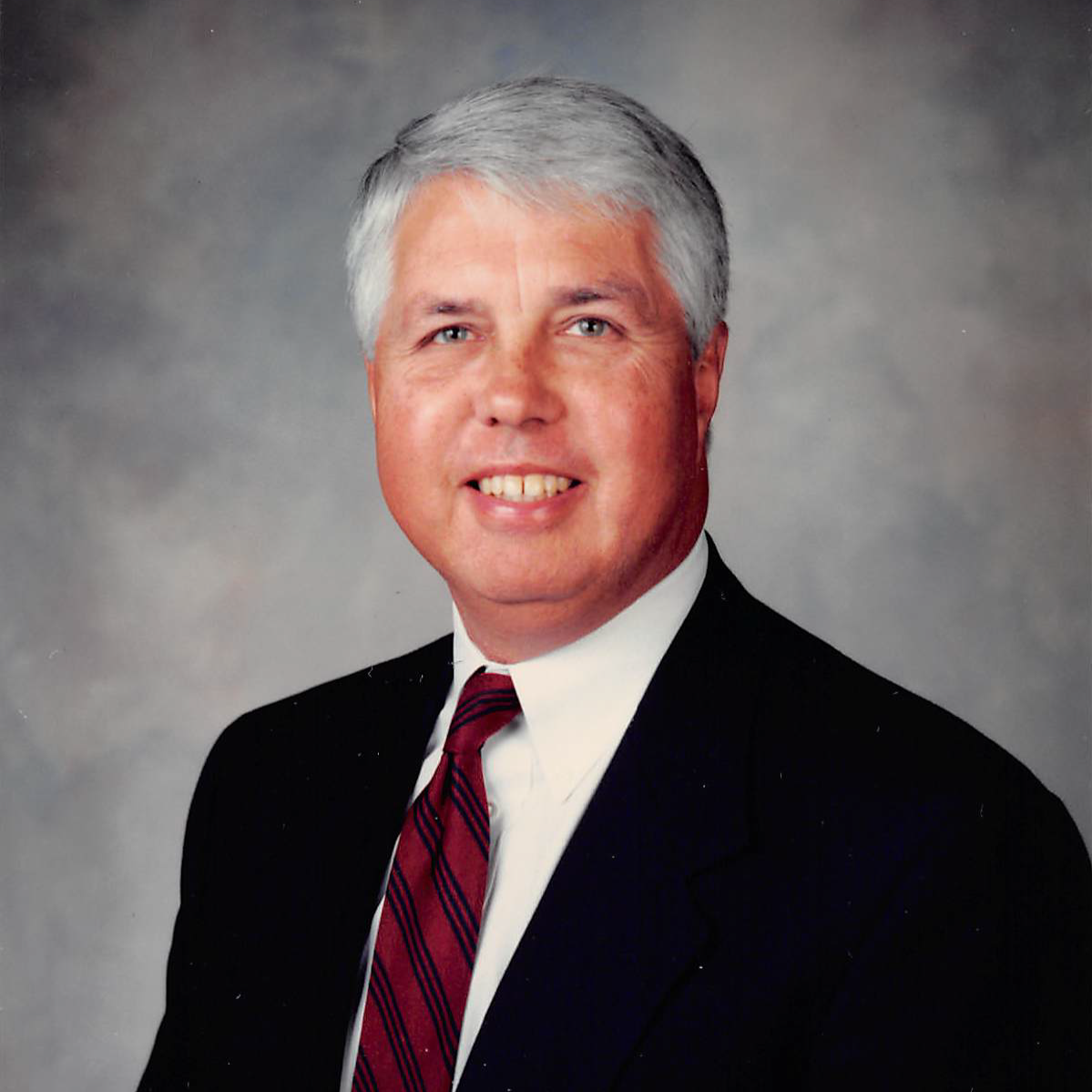
As Blethen Berens marks its 130th anniversary, we're honoring our history through the voices of the people who lived it. Randy Berkland was hired in March 1971 as the firm's sixth lawyer and spent his career there, retiring when the firm had grown to about twenty attorneys — nearly half of them women. Here, he reflects on mentors, a memorable trial, and a standard of work that never wavered.
What do you remember about your very first day or week at the firm?
I was hired by the partners in March of 1971, but my main contact beforehand was Bailey Blethen. I'd worked with Bailey while I was at the State Attorney General's Office, and he told me that if I was ever interested in coming to work outstate, I should contact him.
The first people I remember at the firm were Fay Fallenstein, our office manager, and Audrey Schwichtenberg (Tate), a legal secretary.
How would you describe the firm's culture and environment then, compared to today?
I was the sixth male lawyer in the firm when I started, and we were in rented space — in what is now Wells Fargo. We moved twice before I left, which included buying a building. By the time I retired, we were a firm of about twenty, and almost half were female. The culture had changed significantly from the days when we were all male attorneys.
What's the most hilariously outdated piece of technology you remember?
Art Ogle was a senior partner then, and he refused to use the brand-new technology of dictating into a phone — he was certain the dictation would get lost up in the wires. You'd write your briefs and motions out in longhand and hand them to your assistant to type. Pen and pencil were the most outdated technology of all.
What was the most significant pivot point or season of growth you witnessed?
For a while, all the attorneys were practicing together as best we could, without a clear agreement about where the firm was headed. So, sometime after I joined, we decided we needed an annual meeting for short- and long-term planning. That was a big turning point — a chance to plan and to specialize our practices.
One significant decision was that we needed to add female lawyers. At the time, a lot of Mankato businesses were being started by women, and we thought they might feel more comfortable speaking with a female attorney. Ruth Harvey joined in 1980 as our first female attorney, practicing primarily family law, employment law, and litigation.
Is there a case or milestone you're most proud to have been part of?
There's a lot I'm happy to have been part of. I handled many cases involving gas companies, which sometimes meant gas explosions. In 1975, one of those led to an eight-week trial in Hastings, Minnesota. We started in the winter, and by the time we finished, the corn was knee-high. It was a tiring case, but our client was found not liable — a good result.
We'd come home on weekends and drive back to Hastings on Sunday nights to be ready for trial Monday morning. My wife got bored with me gone all week, so she went out and found the house we still live in today.
Who were the legendary characters or mentors during your tenure?
Bill Blethen was the character of the office. He was retired by the time I joined, but he still came in every day to dispense advice. Every morning I'd ask him for the advice of the day, and he'd say, "Buy low, sell high." Bill didn't believe in the stock market — he invested in local businesses instead.
Bill's father-in-law had served on the Supreme Court, so Bill once invited the entire Minnesota Supreme Court to his house for dinner. As the story goes, it got late, so Bill stood up and announced to the whole court, "I invited you for dinner, but not the whole damn night" — and went to bed.
Kelly Gage was the firm's research guru before modern technology. He could recite cases — right down to which page of the decision held the law he had in mind. He could take a pile of information and summarize it quickly and accurately. To this day, I wonder if he had a photographic memory.
Ray Krause was the "gray ghost." He tried cases all over Minnesota, so he was seldom in the office.
Bailey Blethen was an important mentor for many of us. He was probably 95% smarter than any other attorney in the room, but he never believed that about himself. He was a great proponent of simply out-working the other side, and his attention to detail was incredible — in and out of the office. Bailey was a scratch golfer; at the start of each summer, he'd show me his practice schedule, down to how many balls he'd hit with a specific club on a specific day.
How did you see the firm give back to the community?
One of the things the Blethen firm always did was get involved in the community, whether through elected positions or nonprofit boards. Serving on those boards was, in a sense, our rent for being part of the community. There aren't many local nonprofits that I or another attorney didn't serve on at some point. When you do that, you're out of the office, and other staff step up to cover what you can't. I was just one of many — over the years, all of our attorneys did this.
What's the core "DNA" of the firm that has stayed exactly the same?
When I came in 1971, it was important every single day never to send anything out of the office that wasn't your best effort — even if that meant staying late or redrafting something five or six times. We worked hard never to send out a shoddy piece of work, day after day. We wanted to give it our absolute best, because someone was going to read what we wrote.
If you could share one piece of wisdom with a new attorney today?
You get back what you put in, so be ready to work hard and play hard. We're in the business of solving problems, so don't burn bridges with anyone you deal with today — you'll likely run into them again, whether in the courtroom or somewhere else. And treat people with the respect and dignity you'd want for yourself.
Randy's story is one chapter in a much longer history. Read the full 130-year story of how our firm came to be: Blethen Berens: Built on a Solid, Firm Foundation.